
In the debate over whether trading equates to gambling, the distinction between skill and chance plays a pivotal role.
This article delves into the nuanced comparison between the two Malaysia live casino, exploring the psychological aspects, risk assessment, and regulatory frameworks that differentiate the realms of trading and gambling.
By unraveling these complexities, readers will gain a deeper understanding of the fine line that separates calculated risk-taking from pure chance in the world of financial markets.
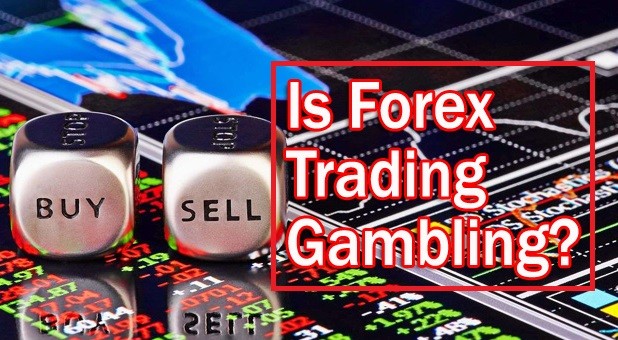
The Thin Line Between Trading and Gambling
While trading and gambling both involve financial risk, the key distinction lies in the level of skill and analysis applied to decision-making processes. Trading requires a comprehensive understanding of market dynamics, including technical analysis, fundamental analysis, and risk management strategies live online casino Malaysia. Successful traders possess a deep knowledge of the assets they trade, constantly monitoring economic indicators, market trends, and news events to make informed decisions. They develop and implement trading plans based on solid research and analysis, aiming to minimize risks and maximize profits.
In contrast, gambling is often based on chance, luck, or random outcomes. Gamblers rely more on hope and intuition rather than on structured analysis. Understanding this crucial difference is essential for anyone seeking to navigate the financial markets effectively and responsibly.
Understanding Risk in Trading and Gambling
Transitioning from the distinction between trading and gambling, a critical aspect to grasp in both activities is the assessment of risk involved.
In trading, risk is managed through strategies like setting stop-loss orders, diversifying portfolios, and conducting thorough research before making investment decisions. Understanding market volatility, economic indicators, and company performance helps traders make informed choices, minimizing potential losses.
Conversely, gambling typically involves chance with limited control over outcomes, leading to higher inherent risks. While both trading and gambling involve speculation, traders rely on analysis and planning to mitigate risks, whereas gamblers often depend on luck alone.
Recognizing and managing risk is key in trading to increase the probability of successful outcomes and maintain a sustainable investment approach.
Skill Vs. Chance: a Comparative Analysis
Managing risk plays a crucial role in trading and gambling. Traders frequently utilize skill to navigate uncertainties compared to the chance-driven nature of gambling. In trading, successful outcomes often result from a combination of in-depth market analysis, strategic decision-making, and risk management techniques. Traders employ various tools like technical analysis, fundamental analysis, and risk mitigation strategies to increase their chances of profitability.
On the other hand, gambling relies heavily on luck and chance, where outcomes are predominantly unpredictable. While both trading and gambling involve uncertainties, the distinguishing factor lies in the level of skill and strategy employed. Traders can enhance their abilities through continuous learning and experience, giving them a competitive edge over the randomness inherent in gambling activities.

Psychological Factors in Trading Vs. Gambling
In trading and gambling, psychological factors greatly impact decision-making processes. Traders and gamblers alike experience emotions such as fear, greed, and excitement, which can cloud judgment and lead to impulsive actions.
However, a key difference lies in how these emotions are managed. Successful traders develop strategies to stay disciplined and rational, even in the face of uncertainty. They utilize risk management techniques and maintain a long-term perspective to navigate market fluctuations.
On the other hand, gamblers often chase losses, take unnecessary risks, and rely on luck rather than skill. Understanding one’s psychological tendencies and having the self-awareness to control impulses are crucial aspects that differentiate trading from gambling.
Mastering these psychological factors can significantly impact one’s success in the financial markets.
Regulation and Oversight in Trading
Regulation and oversight in trading are essential for ensuring market integrity and investor protection. These mechanisms establish guidelines for fair practices, transparency, and risk management within financial markets.
Regulatory bodies, such as the Securities and Exchange Commission (SEC) in the United States, play a crucial role in monitoring trading activities, enforcing compliance with regulations, and investigating potential misconduct. Oversight helps to prevent market manipulation, insider trading, and fraudulent schemes that could harm investors and destabilize the financial system.
Conclusion
In conclusion, while trading and gambling both involve risk and uncertainty, there are key differences that set them apart. Trading requires skill, knowledge, and analysis, whereas gambling relies more on chance and luck. Understanding these distinctions is crucial for individuals looking to engage in financial markets responsibly.
Regulation and oversight play a vital role in ensuring fair practices and protecting investors. It’s important to approach trading with caution and a well-informed mindset to avoid the pitfalls of gambling.